Ramadan Recipe Series part 1 – Shaami Kebab
[tweetmeme source=”sabera” only_single=false]
Over the next few weeks, I will be blogging about Ramadan related recipes. This post marks the first of the Ramadan recipe series.
The holy month of Ramadan reminds me of home like no other word in my mind. It reminds me of fun-filled, near-chaotic evenings, filled with prayers. Of heavy aromas of Masala chai, freshly cut fruit and fried delicacies wafting from the kitchen. Of the muezzin‘s call to prayer in the neighborhood mosque. Of a sudden lull in the noise of children playing on the streets because it’s time to run back home and break the fast for the day. Of family, togetherness and community.
It has been over a week since Ramadan began this year and every day at dusk, I miss home deeply. Ramadan lacks its luster here for me. Earlier this week, when I got so homesick I just couldn’t take it any more, I made a Ramadan favorite that is my mother’s specialty – Shaami Kebabs. A few weeks before the beginning of Ramadan, my mother would sit with a notebook and make a list of all the dishes she would make for iftar (the meal eaten when a Muslim breaks his/her fast at sunset in the month of Ramadan). Shaami Kebabs were usually the first to be made.
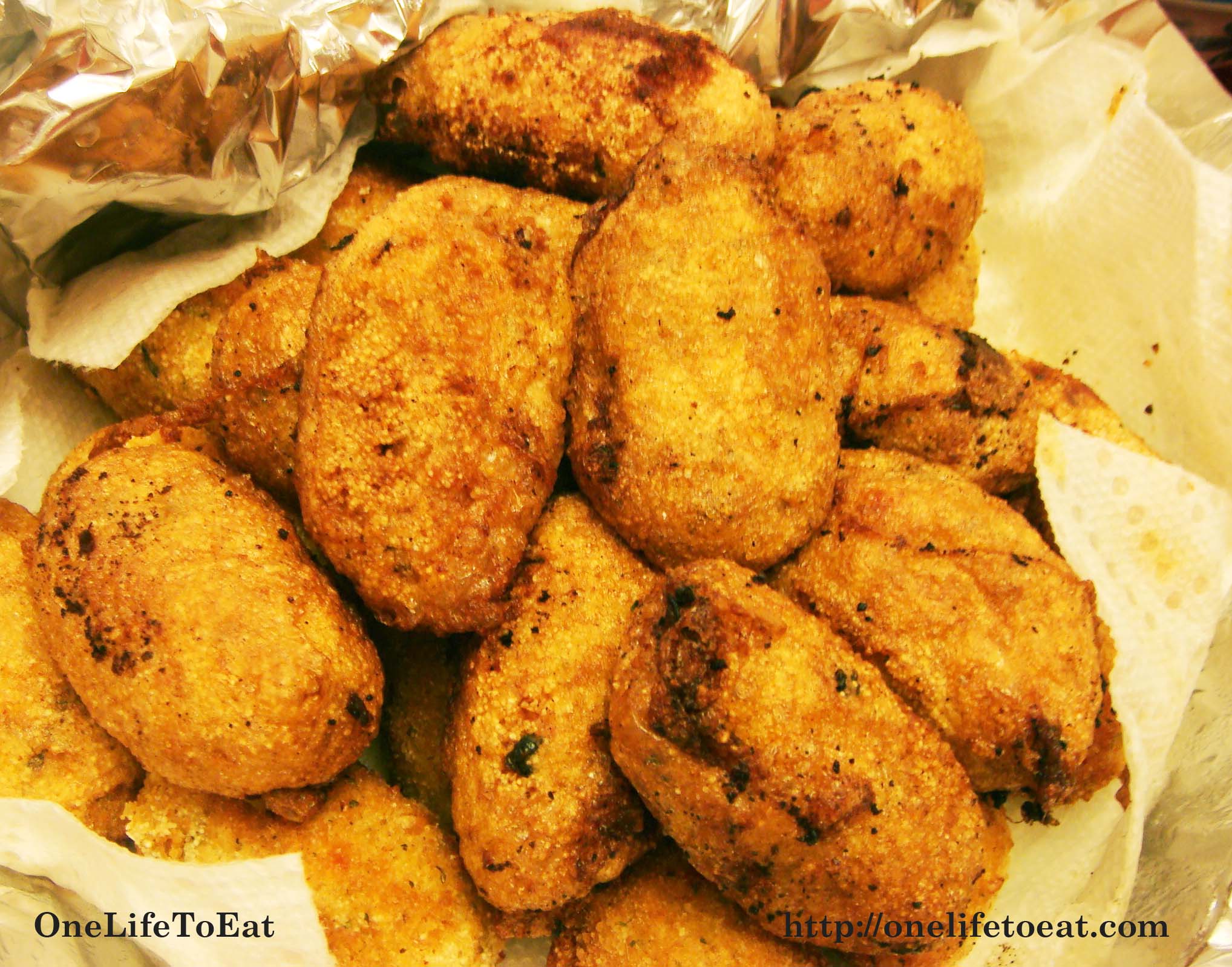
Shaami Kebabs
These golden nuggets of yumminess are made traditionally using ground lamb meat, yellow gram, and an assortment of fresh herbs and spices. I’ve made a healthier version cutting out the red meat, and my recipe includes ground chicken, which also makes it quicker to cook. Shaami kebabs can be enjoyed as an appetizer or when eaten with bread or pita, can make a main meal as well.
Get a printable version of this recipe here.
You will need:
- About 1.5 lbs ground chicken, cleaned
- 1 cup Channa dal or split chickpeas, washed and soaked for an hour
- 2 tbsp Ginger & Garlic paste
- 1 small potato, grated
- 2 thai green chilies, minced
- A handful of fresh chopped cilantro / coriander leaves
- A sprig of mint leaves, finely chopped
- Salt to taste
- 2 tbsp Cumin & Coriander powder
- 1 tbsp Red Chili powder
- 1/2 tsp turmeric powder
- 1/2 tsp Garam Masala powder
- Bread crumbs for coating the kebabs in
- 2 eggs, beaten and seasoned with salt & pepper
- Oil and a deep pan for deep frying
- Lemon juice for garnishing
Method:
- In a pressure cooker, cook the channa dal for 3 whistles or cook it with 5 cups of water in a pot on medium to high heat, until cooked but not mushy
- In a large cooking pot, place the ground chicken. Add the cooked Channa dal with about 2 cups of the water it cooked in. Also add the Ginger garlic paste, potatoes and green chilies
- Turn on the heat and cook this mixture on medium heat, stirring frequently, until all the chicken is cooked and any excess water has burned out. Be careful not to make this mixture too dry. It should be soft and moist to touch.
- Now add all the dry spices, salt, chopped coriander and chopped mint. Mix well and allow to cool a little
- Coarsely grind this mixture in an electric blender or using a hand mixie.
- No start making the kebabs with the mixture. Keep a plate of bread crumbs ready on the side for assembling
- Make 2-3 inch oblong kebabs of the chicken mixture. Coat in bread crumbs and place on a separate plate / tray
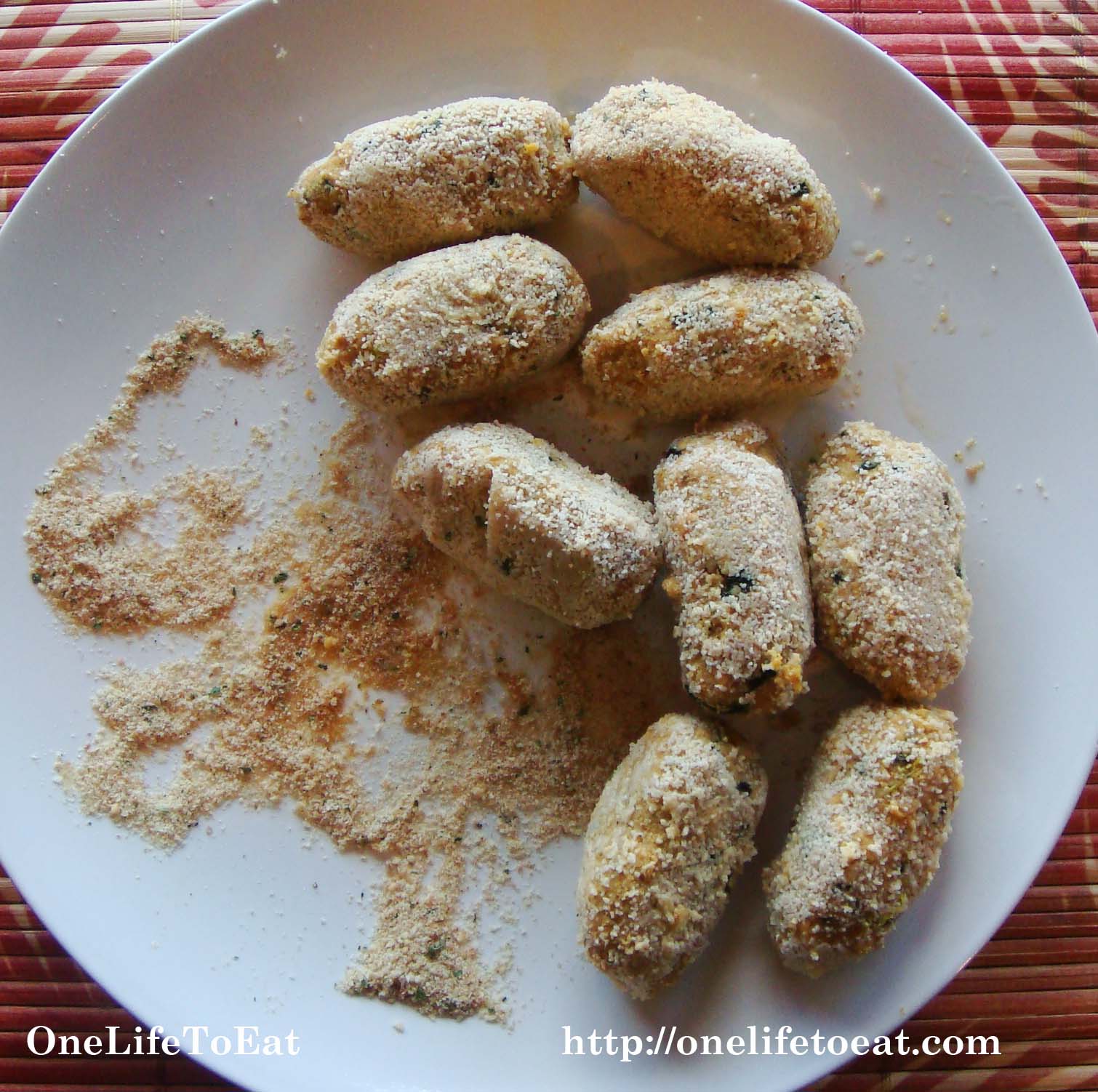
Shaami kebabs coated in bread crumbs
- Refrigerate all the kebabs for at least an hour before frying.
- When ready for frying, place the bowl of beaten and seasoned eggs on the side. Heat about 4 inches of oil in a deep pan for frying.
- Evenly envelop each kebab in the egg and carefully place in the hot oil. Fry until the kebab turns a golden brown from all sides. Place on a kitchen tissue to absorb excess oil.
- Garnish liberally with lemon juice. Enjoy with a green mint chutney or your favorite tomato ketchup. You can also stick the kebabs in pita and eat it as a meal.
 Kebab Pakistani
Chholey Masala (Chickpea curry) – Reinvented
[tweetmeme source=”sabera” only_single=false]
There’s something to be said about re-evaluating yourself once in a while. Having a re-look at where you’re heading, what you’re doing, and how you’re doing it. In all the madness of our lives and the quest to move on to the supposed next step, we miss out on the crucial act of taking a step back and really having a hard look at what we’re really doing.
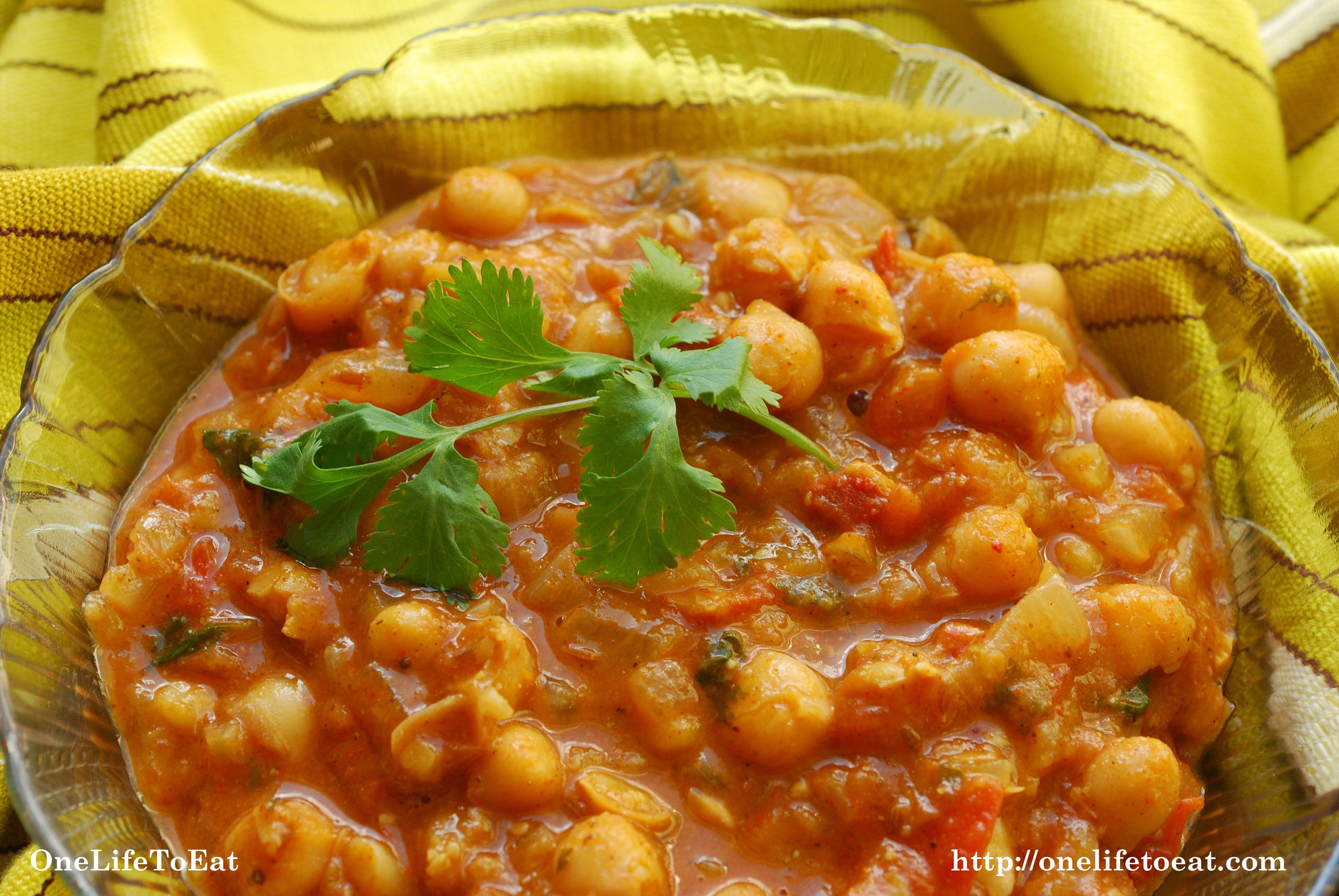
Reinvented Chholey masala
I’m going to stop with my out-of-character philosophical musings here and get right to the point. A week ago, I took a step back and took a hard look at my recipe for Chholey Masala or Chickpea curry (see… I can be corny too). While me and the hubby have been enjoying it like this for a while now, I felt like I needed to step it up a bit. The dish seemed to lack a little something that was there in roadside eateries where I sometimes had the Garbanzo bean curry with fresh poori’s back home. After some much needed recipe-rack searching and modification in the order of steps I followed earlier, the result was a Chickpea curry that came quite close to what I remember having back home.
The trick was to cook the beans and make the curry base separately. Also, I guiltily gave in and bought a ready spice mix for the dish, instead of using my own blend of fresh spices. I thought using the spice mix would be enough flavor in itself but surprisingly, I had to add all my regular spices such as Chili powder, Turmeric powder and Coriander-Cumin powder as well. Read on to learn more.
Get a printable version of the recipe here.
You will need:
- 1 cup Garbanzo or Chickpea beans, soaked overnight in a large bowl. OR you could use a can of cooked Garbanzo beans
- A pressure cooker if using raw beans
- 2 dried bay leaves
- 1 tbsp Cumin seeds
- 1/2 large onion, finely chopped
- 2 medium size Roma tomatoes, finely chopped
- 1 tbsp Ginger & Garlic paste
- 3 tbsp vegetable oil
- 2 tsp Chholey Masala spice mix – available at any Indian grocery store. Any brand is good.
- 1 tsp Red Chili powder
- A pinch of turmeric powder
- 1 tbsp Cumin- Coriander powder (Available as a blend)
- 1 tsp Amchur powder (dried, powdered mango powder)
- 1/2 tsp Chaat Masala (available as a blend in Indian grocery stores)
- 1/4 tsp Garam Masala (available as a blend in Indian grocery stores)
- 1/2 tsp Salt (Chaat Masala has some salt in it so go easy on the regular salt)
- Chopped Coriander or Cilantro leaves and lemon wedges for garnishing
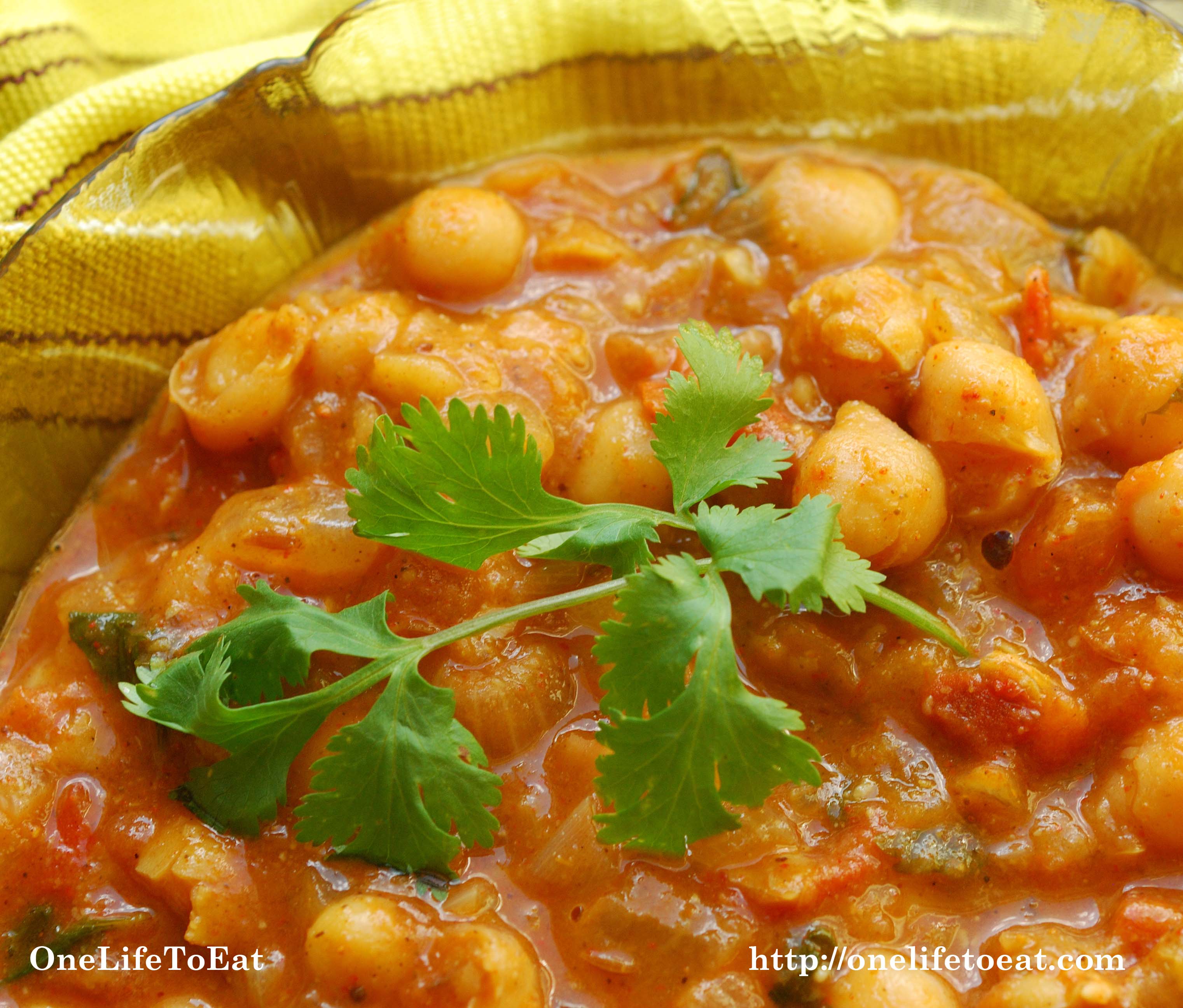
Isn't the color gorgeous?
Method:
- If using raw beans – In a pressure cooker, cook the soaked beans with about 4 cups of water (do not throw away the water you soaked the beans in), with 2 dried Bay leaves for 3 whistles on medium heat. Then, lower the heat to low and cook for another 15 minutes
- In a separate cooking pot, heat the oil on medium heat. Put in the cumin seeds when hot. When the seeds begin to crackle, add the onion and cook till they are soft and light brown in color
- Then add the Ginger Garlic paste, mix well and cook for another 30 seconds. Then add the chopped tomatoes, mix again, and allow to cook down on medium heat
- When the tomatoes are soft and the whole mixture is mushy, add all the dry spices in, except for the Garam Masala
- When the oil separates from this mixture, add the cooked chickpeas with the water it cooked in. If using canned beans, add a cup of water along with the cooked, drained beans.
- Mix well and allow to simmer on medium to high heat. When the water content of the mixture reduces to a third, add in the Garam Masala, salt, and chopped coriander leaves
Serve hot with lemon wedges, and freshly heated naan or poori’s.
How have you reinvented yourself lately? Share your kitchen reinvention stories here!


Bottle gourd (Lauki, Doodhi) curry
[tweetmeme source=”sabera” only_single=false]
My mother, who still lives in my hometown of Mumbai, India, visited me here in Minneapolis a couple months ago. I bid her goodbye at the airport only last Friday and miss her so much! 😦
My mother, who to me is the best cook ever, taught me several recipes that she never had a chance to share with me on the phone (what with my control freak detailed questions). The amazing part was, I got to learn hands-on how she prepares food, observing her style and sense of taste, something that is very different from mine now, after several years of living on my own.
One dish she taught me how to make was Bottle Gourd Curry. Also known as Lauki in Hindi (India’s national language) and Doodhi in Gujarati, it is a vegetable that has many uses in Indian cooking. Apart from curries, this fruit of a vine, is also grated and used in varied Indian desserts such as Halwa and Falooda. The vegetable has several health benefits. I found this great article that details them.

Bottle Gourd or Calabash. Photo credit: Wikipedia
Now this is one of the many vegetables I hated as a child. I’ve become a far less fussy eater over the years and motivated by my husband’s love for freshly prepared vegetable curries, I diligently took notes while she made this curry. The method of preparation is a little different from my style with other veggies. Here, special care is taken to get a good curry consistency before the vegetable is added to allow it to cook. To get a thick curry-like dish, tomatoes and onions are cooked on low heat and simmered till they cook down to a paste. Read on to see what I mean.

Doodhi sabzi / Green gourd curry - Here, cooked Channa dal has also been added to the dish
Get a printable version of this recipe here.
You will need:
- A pressure cooker or other cooking utensil
- 1 medium size Bottle gourd, available at any Indian store
- 3 tbsp vegetable oil
- 1/2 large onion, chopped
- 2 Roma tomatoes, chopped
- 1 tbsp Ginger & Garlic paste
- 1 tbsp Cumin & Coriander powder
- 1/2 tsp Turmeric powder
- 1 tsp Chili powder
- Salt to taste
- Water for cooking
- 2-3 tbsp tomato ketchup
- A handful of fresh chopped coriander or cilantro leaves
Method:
To cut the gourd –
- Slice off the stem portion of the gourd and peel the green skin with a potato peeler. Then, slit it half lengthwise
- Further halve each side of the gourd
- You will find that the gourd has a spongy portion in the middle, with several seeds in it. Remove this with a knife or a spoon, leaving the harder portion below it intact. Make sure all the seeds are removed

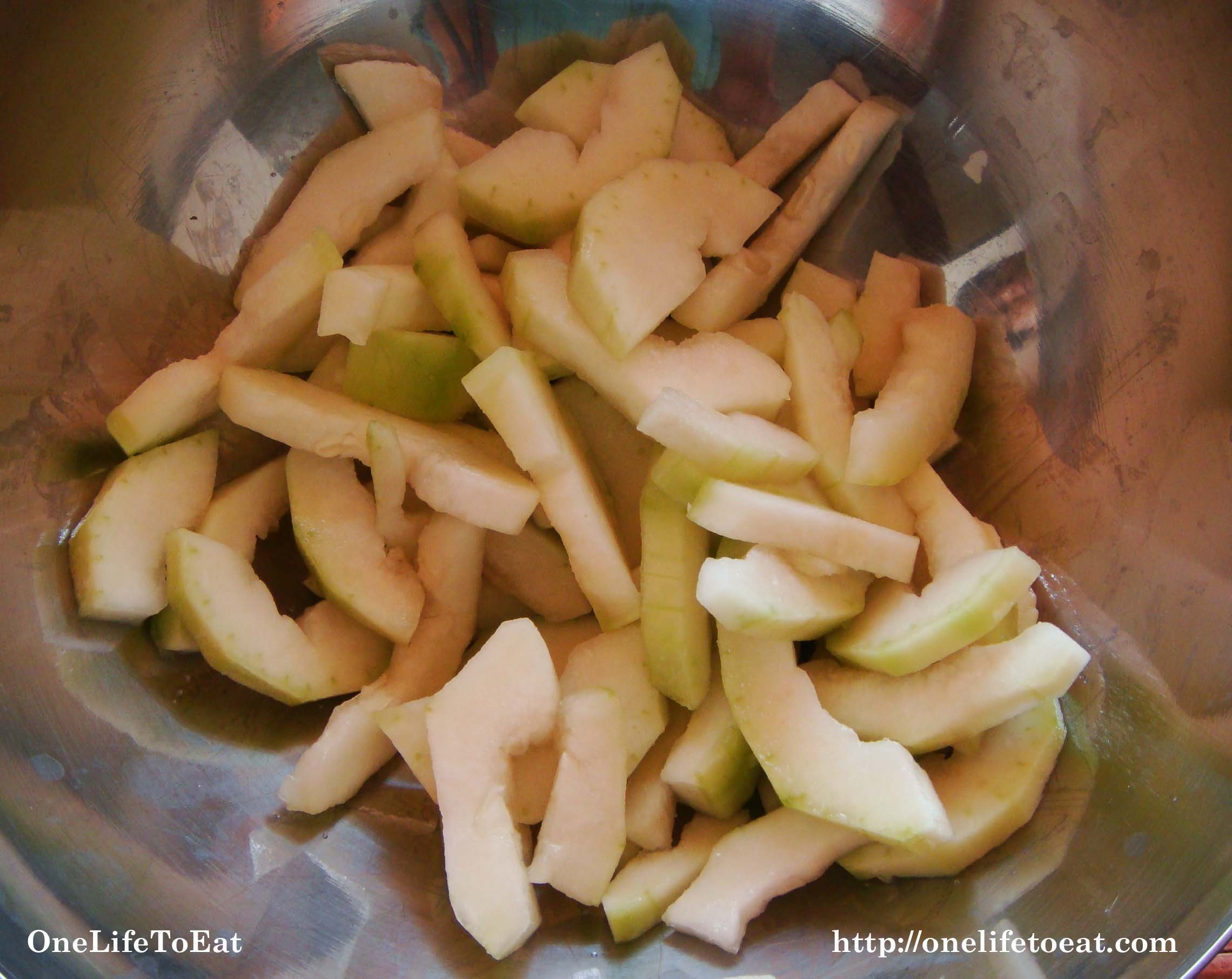
- Slice the gourd like so:
To prepare the curry-
- In a pressure cooker or pot, heat oil on medium heat
- When heated, add the onions and fry till they soften and are light brown
- Add the Ginger & Garlic paste and chopped tomatoes and mix well. Cover the utensil, and cook on low heat till the mixture becomes mushy
- Now add all the dry spices, mix well and cook for about a minute
- Add about 1/4 cup water, mix well, put on the lid again and allow the mixture to simmer for about 5 more minutes or till a curry like consistency is achieved
- Finally add the sliced gourd and salt to taste
- If using a pressure cooker, cook for about 5 whistles on medium heat; If using a pot, add enough water to cover the vegetable, put on a lid and allow to cook for at least 25 minutes, adding water and stirring frequently. You’ll know the gourd is done when it is soft to touch like a cooked potato
- Once the vegetable is done, add the tomato ketchup (this is my mother’s secret ingredient and it really adds a nice tang to the dish!)
- Garnish with chopped cilantro and enjoy with your favorite hot Indian flat bread such as naan or roti.
Variation: You can also add cooked Channa daal to make it a truly authentic Indian dish. Soak 1/2 cup Channa daal for 2 hours and pressure cook till they are cooked. Drain and add to the above dish at the end. Simmer for 10 more minutes.




 One Life to Eat