How to Plan an Indian Meal

Authentic Gujarati thaali
In recent months, several of my readers have asked me how to go about planning an authentic Indian meal or an Indian-themed dinner party. The answer to this question isn’t as simple as one may think. India is an incredibly diverse country and an ‘authentic’ Indian meal will be drastically different depending on the part of the country you are planning the meal in, the local diet and produce available, the religion and even the cultural background of both the guests and the hosts of the party.
So in order to do justice to my readers’ questions, I invited two amazing Indian food bloggers – Kulsum of JourneyKitchen and Tanvi of Sinfullyspicy, to share how they would plan an Indian meal. Kulsum & Tanvi both cook Indian food extensively and their blogs are treasure troves of traditional as well as modern Indian dishes. Both of them grew up in different parts of the country and have completely different cultural backgrounds. Their contributions to this post will hopefully help you gain a balanced understanding of what goes into planning an Indian feast. Once you’re done reading what they have to say, I implore you to hop on over to their blogs and browse through their recipes and food photography. You will not be disappointed 🙂 Here’s what they have to say!
Tanvi of Sinfullyspicy
Though a very common part of daily life, planning a menu can be quite a task for me mainly because a lot of factors have to be considered. First being the season in the part of the world that I am located in which directly translates to availability of produce during that time of year & the kind of food that would suffice- hot (like soups and stews for winters) or cold (salads and stir fry for summers). The second important factor would be the tastes & preferences of the guests. If the guest list includes Indians, religious views also play a role. Many North Indians do not eat non vegetarian meals on certain days of the week that are devoted to a prominent Hindu deity. The third factor which is off beat but has gained a lot of fuss in recent times is the health conscious mindset of guests. In such scenarios, healthy dishes like pan cooked cutlets , steamed or lowoil sides come handy.
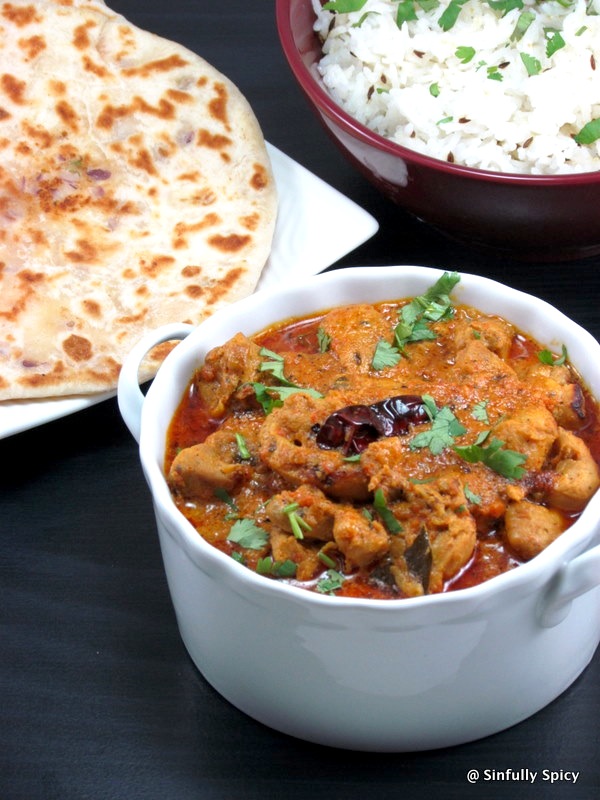
When planning a menu, I generally like to serve choices in both vegetarian and non vegetarian. Dry dishes like tandoori chicken & chicken skewers can be prepared/marinated a day in advance and save time. With heavy main course dishes, I choose to serve biryani or rice pilaf as the main dish along with raita and a salad. While serving creamy curries for the main course, I opt to serve light appetizers like lettuce wraps or curried bruschetta so that my guests can relish and look forward to the main dish, along with rice and flatbreads. A vegetarian side is also a must.
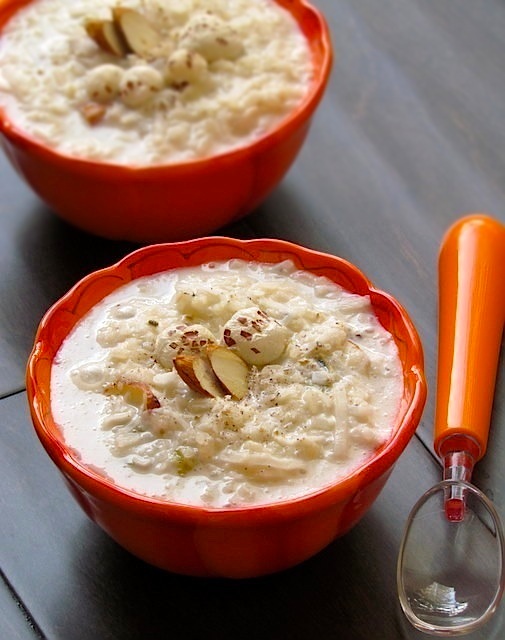
Finally, for dessert, I usually prefer serving ice cream or gelatos/sorbets for dessert in summers and pudding or custards in winters.
Happy Planning !
Kulsum of JourneyKitchen
Indians are known for big feasts specially on occasions such as weddings and in that Bohras are no different. A Bohra feast is not only lavish, they also abide by certain customs and traditions when planning a meal. You can read more about Bohra food customs and tradition on my page here but I want to focus more on what I grew up eating. As Bohra, you grow up with a lot of socializing for both religious and social purpose and each occasion is celebrated with food. Certain foods are made especially for certain occasions and ceremonies and generally foods made on sad occasion are not mixed with those made for happy occasions.
Personally, I believe in good quality food and not quantity, where at the end of the meal the only thing you can remember is a hurting stomach. So I’m sharing a not so lavish take on a big Bohra feast (that is as per Bohra standard ofcourse)
Since Bohras start the meal with a dessert, you can imagine how important they are as a part of the experience. When it comes to sweets, halwas are undoubtedly my favorite thing to make and eat. One of my favorites being pineapple halwa.

The second course, is generally a dry appetizer. This is the part of the meal I love most. Samosas, spring rolls, kebabs, tandoori chicken to tikkas, anything that you can pick with your fingers would be it. Bohras are non-vegetarians and people who love their meat. If the appetizer is non vegetarian then I try to keep the third course, which is a wet curry often served with roti (Indian flabread) vegetarian and vice versa. Some of the non vegetarian curries you could try are Murgh masala, Karahi Chicken or Mutton Korma. Some vegetarian options could be Egg Korma or Gavarfali Ki Subji – cluster beans cooked in spices and tomato gravy.

And, we are not done yet. The fourth course, yes I said fourth course, is rice! The rice is essentially the main course but if you ask me, the real highlight of the meal. The fate of the chef at any Bohra feast depends on how well they make the rice dish. From Pulaos to Biryanis the whole feast depends on how good the rice is. One of my favorite fourth course is mutton stew with cumin rice.
And after all that food, you need to freshen up your mouth and so you get served with some fennel seeds! (Fennel seeds are widely served across cultures in India, as a mouth freshener and digestive aid at the end of a meal). Good luck planning your next Indian meal!
Banana Walnut bread

I’ve been blogging a little too much about Baking lately. Despite my first two attempts not panning out as well as I had wanted them to, I tried baking a fourth time yesterday. When was the third time you ask? Shall I just say, I tried an ambitious flour-less cookie recipe that turned out so badly, I had to use some pretty strong room freshener to get rid of the burnt smell that refused to budge from every corner of my home, leaving my husband and visiting nephew questioning my sanity. It’s an incident that must be erased from my amateur cooking career.
So the fourth attempt at baking it was. See, that’s how I am. If I’m not good at something I’m passionate about, I’ll keep at it until I get good. And my dear foodie readers – that is exactly what happened yesterday! Two very ripe bananas in the fruit basket and a crazy itch to bake resulted in searching the internet for easy Banana Walnut bread recipes. I came across this one from All Recipes and made a few small changes to suit my tastes. I also followed some baking instructions from a recipe book I got from a Bed and Breakfast I visited a few months ago.

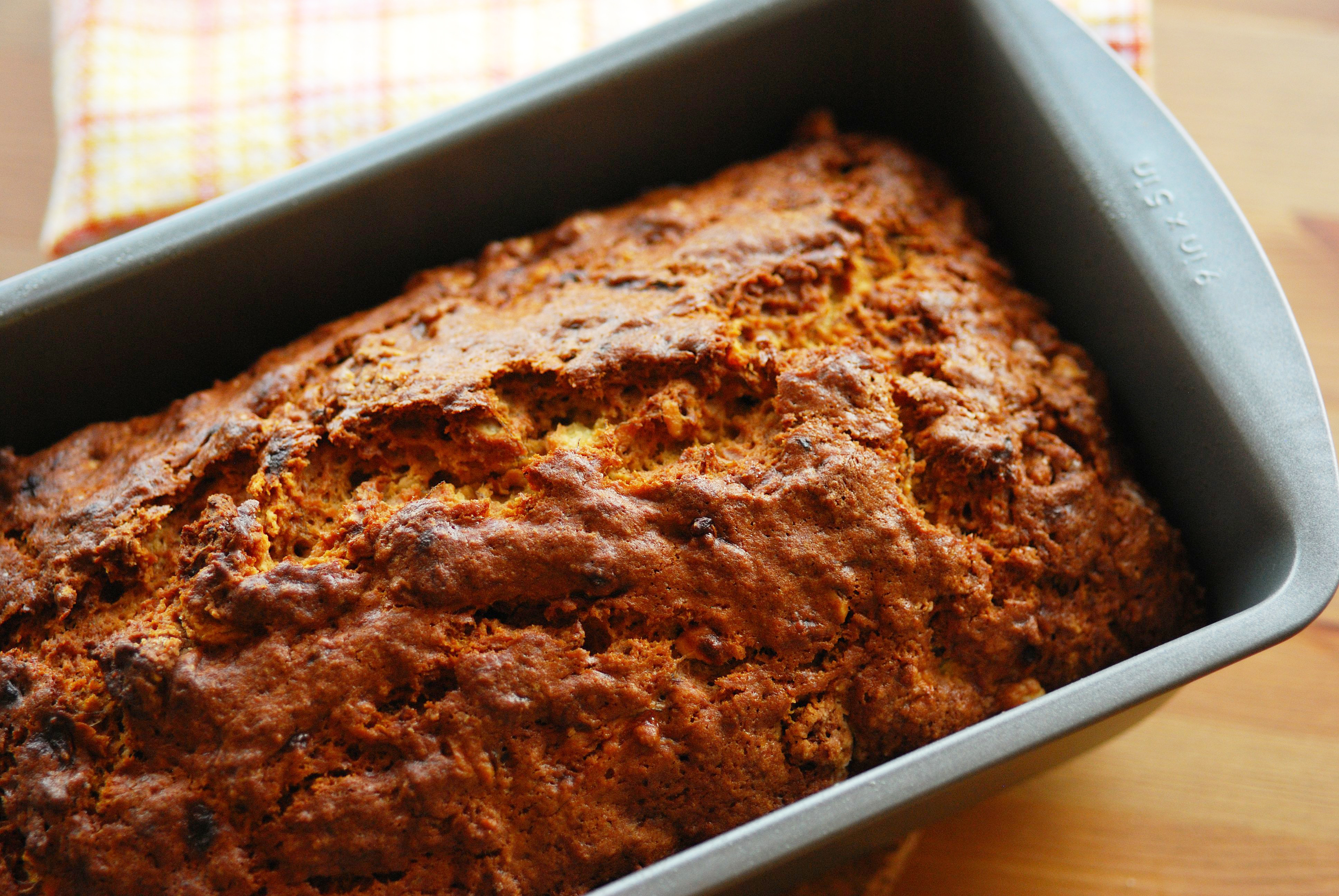
Taking a scientific, planned approach that is synonymous with experienced bakers truly did pay off. The Banana Walnut bread was moist, just the right amount of sweet, and tastes divine even a day later. I took half the loaf to my sister’s yesterday afternoon and my 16 month old nephew loved it! Here’s how I made the bread:
Ingredients:
- 2 cups all-purpose flour
- 1 teaspoon baking soda
- 1/4 teaspoon salt
- 1/2 cup unsalted butter at room temperature
- 3/4 cup brown sugar
- 2 eggs, beaten
- 2 large overripe bananas, mashed
- 1/2 cup roughly chopped walnuts
- 1 tbsp vanilla essence
Method:
- To bring out its flavor, toast walnuts lightly in a 300 degree F oven for 7-8 minutes or until they brown slightly.
- Preheat oven to 350 degrees F (175 degrees C) for the bread. Lightly grease a 9×5 inch loaf pan.
- In a large bowl sift together flour, baking soda and salt. In a separate bowl, cream together butter and brown sugar. In a third bowl, mix together eggs, vanilla essence and the mashed banana.
- Stir the egg mixture into the sugar mixture until blended well. Do not whip. Stir egg mixture into flour mixture; stir gently just to moisten – DO NOT over mix. Mix in the walnuts just before pouring batter into loaf pan.
- Pour batter into prepared loaf pan and bake for 60 to 65 minutes, until a toothpick inserted into center of the loaf comes out clean. Let bread cool in pan for 10 minutes, then turn out onto a wire rack to let it cool.
Extra tip: Place a small dish of water in the oven while baking, to prevent a thick crust from forming on top of the loaf.
Baking Triple Chocolate cookies for the first time
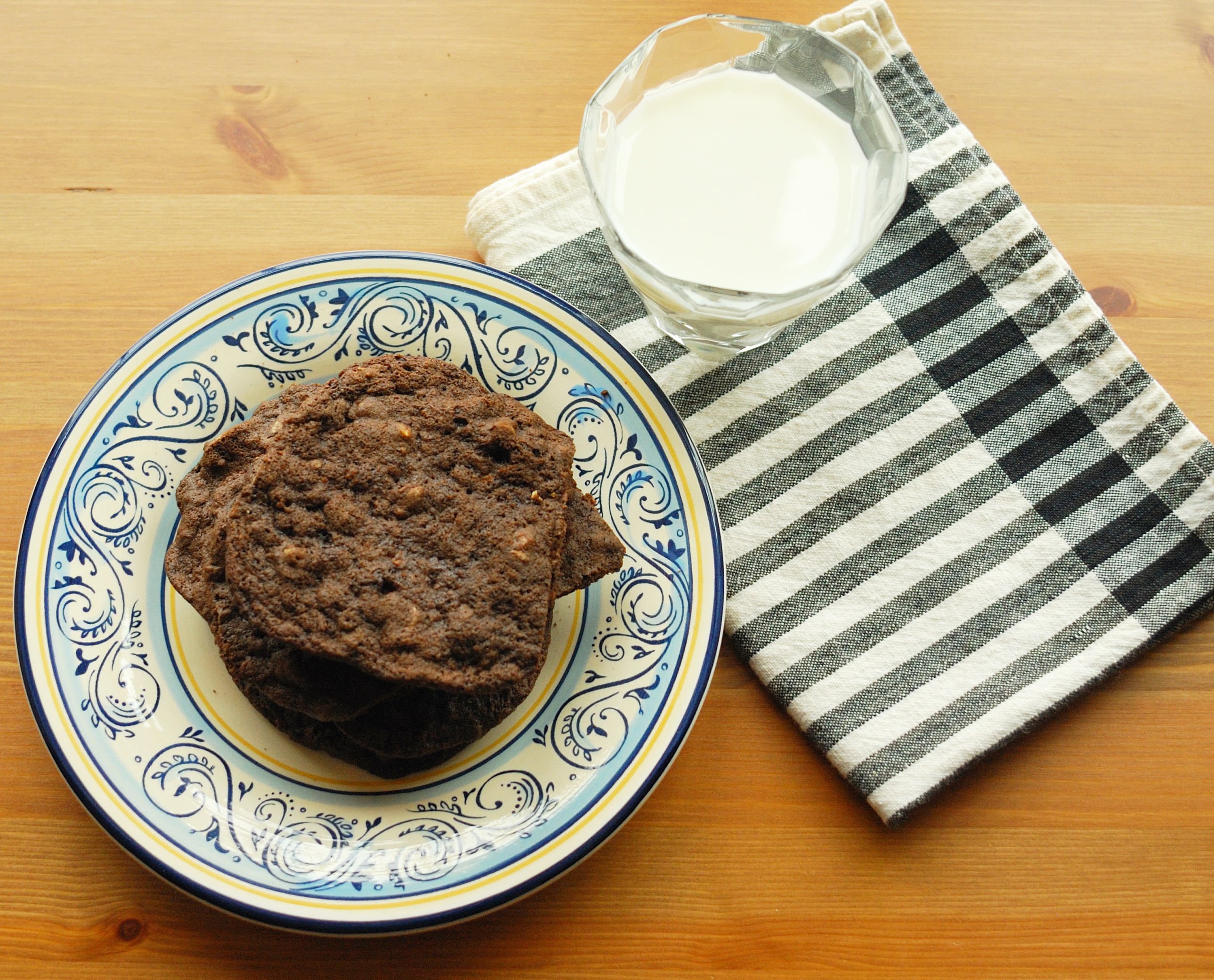
Today’s post is really short and quick. A few weeks ago, I stumbled upon this video of David Lebovitz making chocolate chip cookies (or as the French call it, just cookies) followed by him testing his superior product with Parisians on the street. Not only did I fall in love with David Lebovitz all over again, I had a massive urge to bake cookies then and there! Now, I love chocolate chip cookies. Always have. We never really got them much back home in India but whenever I saw anything baked with chunks of chocolate chips, I had to try it. I am also not much of a baker at all. My last attempt at baking didn’t go exactly as planned. Some tell me its all about one’s cooking style. I’m more of an improvisational cook, while baking involves precise measurements and a certain amount of discipline.
After much scouring of the internet and looking for recipes, I came across The BrownEyedBaker’s blog. And good god was I taken aback at the number of cookie recipes she has there! Chocolate fanatic that I am, I was instantly attracted to her recipe for Triple-Chocolate Cookies. I made a few additions and modifications to her recipe. Inspired by David, I added 2 cups of roasted walnuts in the cookie dough. Also, instead of only using semi-sweet chocolate chips, I used a 60-40 mixture of bitter-sweet chocolate chips and semi-sweet chocolate chips.
I can’t say my first attempt at baking cookies from scratch was exactly successful but I learned some things along the way that I hope to improve on the next time around. Nevertheless, the cookies were delicious and as Michelle of BrownEyedBaker rightly says, they “pack(ed) a powerful chocolate punch”. I really enjoyed the process of making cookies and with the lessons I’ve learned, look forward to making them again.




 One Life to Eat